
Is this guide for you?
- You are new to golf or playing your first season consistently
- You lose several balls most rounds and want better value
- You want something forgiving rather than highly technical
- You are not sure how swing speed or compression affects ball choice yet
Jump to a section
Quick verdict
If you want the shortest route to the right choice, start here.
- Prioritise forgiveness on off-centre driver and iron strikes.
- Prioritise consistent feel from tee to green.
- Prioritise a replacement cost you are comfortable with.
Best options at a glance
These options cover the most common buying paths for beginners: strongest baseline fit, value route, and a balanced upgrade path.
#1 · Best overall fit for this profile
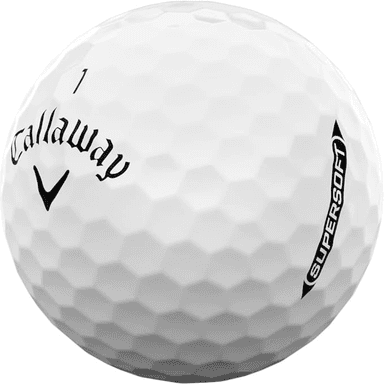
Callaway Supersoft
Built for forgiveness, easy launch and strong value.
For new golfers, this is a strong general-fit starter choice focused on forgiveness, value and confidence.
#2 · Best value alternative
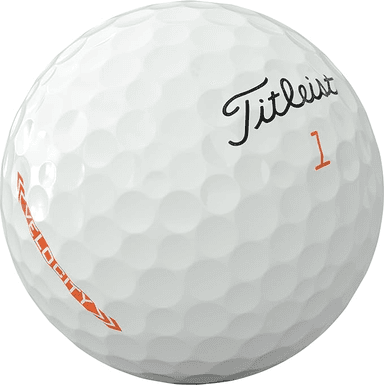
Titleist Velocity
Built to maximise carry and long-game distance.
For distance-focused players, this is a strong general-fit starting pick aimed at carry and long-game output.
#3 · Best upgrade alternative
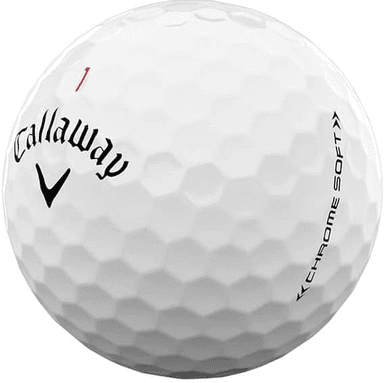
Callaway Chrome Soft
Built for softer feel and greenside feedback.
For golfers prioritising feel, this is a strong general-fit starting option for softer response and short-game touch.
How we ranked these options
Recommendations compare maintained product information and manufacturer-stated characteristics with golfer needs captured by our quiz, alongside editorial assessment of fit for beginners. Retailer links support purchases where available, but commercial availability does not determine product fit. The information does not represent hands-on, robot, mechanical-swing, or laboratory testing.
- Forgiveness on off-centre driver and iron strikes
- Consistent feel from tee to green
- A replacement cost you are comfortable with
Quick Buy
Callaway Supersoft
Built for forgiveness, easy launch and strong value.
For new golfers, this is a strong general-fit starter choice focused on forgiveness, value and confidence.
Read full guide for this topic →Check current price at AmazonSCOTTSDALE GOLFWant the full golf ball overview?
If you want to compare the whole landscape before diving into specific player profiles, start with our central guide.
Read: Best Golf Ball guide →How the matching quiz works
- Answer a few quick questions about your game, speed and priorities
- We compare your profile against verified golf ball options for your market
- Get a shortlist with reasons, not just a single pushed product
What beginners need from a golf ball
Early on, the biggest scoring gains do not come from tour-level spin or advanced shot shaping. They come from keeping more tee shots in play, getting enough distance on imperfect strikes, and using a ball that feels predictable from green to tee. Most beginners are still developing centred contact, so a forgiving construction matters far more than fine-grained short-game performance. Durability matters too, because a cover that scuffs easily adds unnecessary cost when you are still learning.
The buying priorities that matter most
If you are standing in a shop comparing sleeves, these are the things worth paying attention to.
1. Forgiveness first
Beginners usually benefit from lower-spin designs that keep mishits straighter and flying further. That helps the whole round feel easier.
2. Consistent feel
A ball with a feel you can trust on chips, putts and full shots makes it easier to build confidence while your strike quality is still inconsistent.
3. Sensible replacement cost
There is no point learning the game with a ball you are afraid to lose. A value or mid-price option can be a sensible starting point while you learn what fit you prefer.
A better upgrade path for new golfers
The most practical route is to start with a forgiving value-focused ball, then upgrade only when you can explain what you want more of. If your main miss is still sideways, stay in the forgiveness category. If you begin hitting more greens and want more control on pitches and chips, a more control-focused option may start to make sense. Matching the ball to your actual stage of improvement is the whole point of the quiz.
Beginner starter path for your first 10 rounds
Start with a forgiving value model while your contact and direction settle. Reassess after you are losing fewer balls and making cleaner contact with short irons. Only then consider moving up for extra short-game control. That upgrade path keeps your spend sensible and your progress measurable.
Ready to stop guessing?
Answer a few quick questions and we'll match you to golf balls that fit your swing speed, handicap and scoring priorities.
Start the 2-minute quizWhat our quiz looks at
- Forgiveness on off-centre driver and iron strikes
- Consistent feel from tee to green
- A replacement cost you are comfortable with
- Soft enough feel for putting confidence without tour-ball cost
- A launch and spin profile suited to average swing speeds
Frequently asked questions
What is the best golf ball for beginners in 2026?
Most beginners should start with a forgiving, durable value ball that keeps mishits playable and reduces cost per round. In this guide, the strongest baseline picks prioritise straight-flight forgiveness and confidence over tour-level spin.
What is the most important thing in a beginner golf ball?
Forgiveness and value. A beginner normally benefits most from a ball that flies reasonably straight, keeps speed on mishits and does not cost too much to replace.
Should beginners use cheap golf balls or premium ones?
Usually value or mid-price balls. The very cheapest can feel harsh or inconsistent, while premium tour balls are often paying for spin and control that beginners cannot use yet.
How many balls should a beginner carry?
More than you think. Six to eight is sensible for a full round while you are learning, especially on courses with water or thick rough. It is another reason value matters.
Last reviewed: 5 September 2026. We update this guide when our verified golf ball catalogue changes.