
Is this guide for you?
- You lose most of your shots to a left-to-right curve off the driver
- Your current ball feels fine on chips but too wild from the tee
- You want more fairways without paying tour-ball prices
- You need help balancing forgiveness, feel and budget
Jump to a section
Quick verdict
If you want the shortest route to the right choice, start here.
- Lower-spin distance balls usually shrink the size of a slice better than premium tour balls.
- Two-piece and other forgiveness-first designs usually give the best value if you lose balls often.
- Once your slice is more manageable, you can start trading some forgiveness for more short-game feel.
Best options at a glance
These options cover the most common buying paths for slicers: strongest baseline fit, value route, and a balanced upgrade path.
#1 · Best overall for slicers
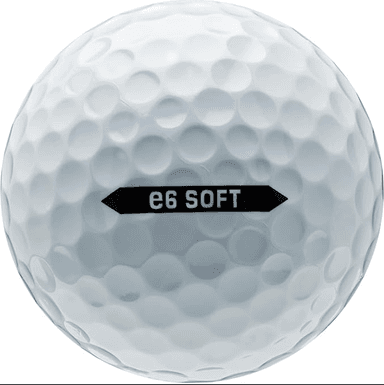
Bridgestone e6
Players who want the clearest straight-flight help.
Low side spin and a forgiveness-first construction make this the cleanest anti-slice starting point.
#2 · Best budget distance option
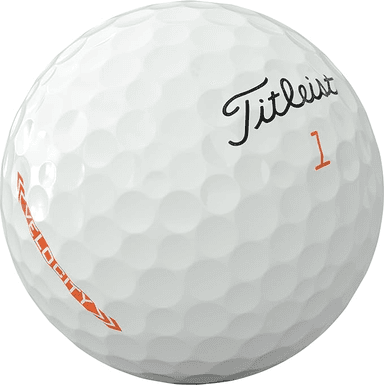
Titleist Velocity
Players who want a straighter flight without paying for tour-level spin.
A low-spin distance ball with strong value is often the smartest step if you lose several balls a round.
#3 · Best if you want more feel later
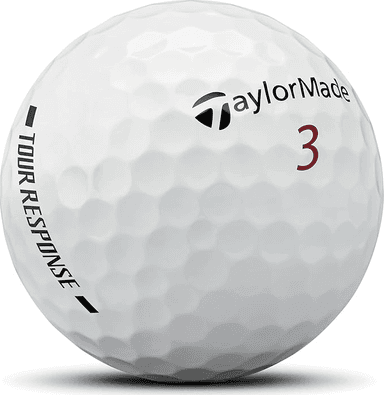
TaylorMade Tour Response
Players whose slice is smaller and who want a more balanced all-round ball.
It gives a better bridge between forgiveness and short-game feedback once the big miss is less severe.
How we ranked these options
Recommendations compare maintained product information and manufacturer-stated characteristics with golfer needs captured by our quiz, alongside editorial assessment of fit for slicers. Retailer links support purchases where available, but commercial availability does not determine product fit. The information does not represent hands-on, robot, mechanical-swing, or laboratory testing.
- Driver spin profile rather than tour-level short-game spin
- Compression that matches your swing speed and mishit pattern
- Value for money if you lose multiple balls per round
Quick Buy
Bridgestone e6
Built for straighter flight and lower side-spin for slicers.
For golfers searching for anti-slice help, this is a strong general-fit starting pick before you fine-tune in the quiz.
Read full guide for this topic →Check current price at AmazonSCOTTSDALE GOLFWant the full golf ball overview?
If you want to compare the whole landscape before diving into specific player profiles, start with our central guide.
Read: Best Golf Ball guide →How the matching quiz works
- Answer a few quick questions about your game, speed and priorities
- We compare your profile against verified golf ball options for your market
- Get a shortlist with reasons, not just a single pushed product
Why golf ball choice matters more when you slice
A slice adds spin axis tilt to the shot, and high-spin balls exaggerate that tilt. The more spin you add on a glancing strike, the more the ball curves offline before it lands. That means the same swing fault can produce a manageable fade with one ball and a penalty-shot slice with another. Lower-spin distance models reduce the severity of the miss, which is why golfers fighting a slice usually score better with a forgiving ball than with a premium urethane model designed for shot-shaping.
The three traits that usually help slicers most
Ignore marketing terms like tour distance or explosive feel. For slicers, three practical traits matter far more than brand prestige.
1. Lower driver spin
Less spin off the driver means less curve when face and path do not match. You are not removing the slice, but you are shrinking the penalty from the same miss pattern.
2. Soft to medium compression
Many slicers strike the ball inconsistently, especially high or low on the face. A softer compression ball tends to feel better on those misses and is often paired with the kind of low-spin construction that suits this player type.
3. Value over tour-level spin
If you are losing several balls a round, there is no scoring advantage in paying for urethane-cover performance that mainly helps controlled wedge players. A reliable mid-price distance ball is usually the smarter fit.
What slicers often get wrong when buying balls
A common mistake is choosing the same premium model used by a better player in your group. Good players often want extra iron and wedge spin because they already deliver the club consistently. Slicers usually need the opposite from the tee. Another mistake is buying the cheapest possible ball and assuming all distance models behave the same. Compression, launch profile and feel still differ enough to matter, which is why a short fitting quiz can narrow things down much faster than guessing from the shelf.
When it makes sense to move away from a slice-friendly ball
Once your driver miss becomes a small fade rather than a big curve, you may start benefiting from a ball with more greenside spin and short-iron control. That usually happens later in the improvement curve, when you are keeping the ball in play and missing more shots with approach distance control than with wild tee shots. Until then, the highest-value gain usually comes from reducing the size of your big miss.
Can a golf ball reduce a slice?
A golf ball cannot remove the swing fault that causes a slice, but a lower-spin, forgiveness-first option can reduce how much the same off-centre strike curves. That can keep more drives in play while you work on swing mechanics, which makes it a sensible buying choice for golfers whose biggest scoring problem is a left-to-right miss.
Ready to stop guessing?
Answer a few quick questions and we'll match you to golf balls that fit your swing speed, handicap and scoring priorities.
Start the 2-minute quizWhat our quiz looks at
- Driver spin profile rather than tour-level short-game spin
- Compression that matches your swing speed and mishit pattern
- Value for money if you lose multiple balls per round
- A straighter-flight construction over workability claims
- Enough feel on pitches and putts without sacrificing forgiveness
Frequently asked questions
What is the best golf ball for slicers in 2026?
The best starting point for most slicers is a lower-spin, forgiveness-first ball that keeps left-to-right curvature smaller off the tee. In this guide, we prioritize straighter-flight models first, then compare value and feel as secondary filters.
Does switching golf balls fix a slice?
No. It does not remove the swing fault, but it can reduce how much the ball curves from the same strike. That is still useful because smaller misses stay in play more often and lead to lower scores while you work on technique.
What is an anti-slice golf ball?
Anti-slice is a useful shorthand rather than a separate ball category. It usually means a lower-spin, forgiveness-first ball that is designed to make a left-to-right miss less severe. It will not cure a slice, but it can help keep more tee shots playable.
Are two-piece balls better for slicers?
Often, yes. Two-piece balls are commonly built for lower long-game spin and more forgiveness, which is why they suit golfers whose main problem is keeping the driver online. They are not automatically better, but they are usually the right place to start.
Should slicers avoid premium tour balls?
Usually yes, at least for now. Premium tour balls are most valuable when you already strike the ball well enough to use their extra spin and control. If your scoring problem is lost balls and recovery shots, a lower-spin model is normally a better fit.
Last reviewed: 5 September 2026. We update this guide when our verified golf ball catalogue changes.