
Is this guide for you?
- Your handicap is above roughly 18 or your scoring is still inconsistent
- You want to reduce damage from poor strikes rather than shape shots
- You are trying to balance forgiveness with decent short-game feel
- You want help choosing between budget, value and premium options
Jump to a section
Quick verdict
If you want the shortest route to the right choice, start here.
- Prioritise forgiveness from the tee and on longer approach shots.
- Prioritise compression that works at your actual swing speed.
- Prioritise value across a full season rather than just one sleeve.
Best options at a glance
These options cover the most common buying paths for high handicappers: strongest baseline fit, value route, and a balanced upgrade path.
#1 · Best overall for high handicappers
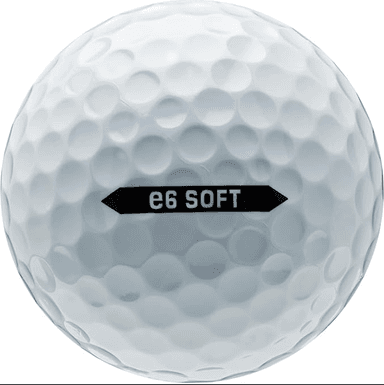
Bridgestone e6
Golfers who need straighter flight and fewer penalty misses from the tee.
Forgiveness-first flight and lower spin make this a practical scoring baseline for higher-handicap rounds.
#2 · Best value feel option
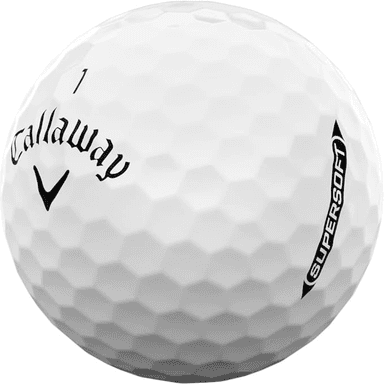
Callaway Supersoft
Players who want easy compression with soft feel at a sensible cost.
Useful when you want comfort and confidence without paying tour-ball pricing.
#3 · Best upgrade once misses shrink
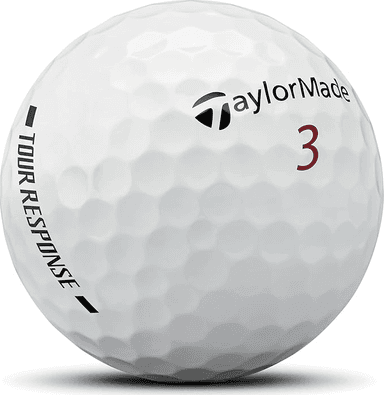
TaylorMade Tour Response
High handicappers who are improving and want more short-game control.
A balanced next step once your biggest scoring losses are no longer wild tee shots.
How we ranked these options
Recommendations compare maintained product information and manufacturer-stated characteristics with golfer needs captured by our quiz, alongside editorial assessment of fit for high handicappers. Retailer links support purchases where available, but commercial availability does not determine product fit. The information does not represent hands-on, robot, mechanical-swing, or laboratory testing.
- Forgiveness from the tee and on longer approach shots
- Compression that works at your actual swing speed
- Value across a full season rather than just one sleeve
Quick Buy
Bridgestone e6
Built for forgiveness-first performance and keeping misses in play.
For high-handicap players, this is a strong general-fit baseline focused on straighter flight and fewer costly misses.
Read full guide for this topic →Check current price at AmazonSCOTTSDALE GOLFWant the full golf ball overview?
If you want to compare the whole landscape before diving into specific player profiles, start with our central guide.
Read: Best Golf Ball guide →How the matching quiz works
- Answer a few quick questions about your game, speed and priorities
- We compare your profile against verified golf ball options for your market
- Get a shortlist with reasons, not just a single pushed product
Why high handicappers need a different ball strategy
Golfers with higher handicaps usually face a wider strike pattern and a wider miss pattern. That changes what the ball needs to do. A lower-spin, more stable design protects you from your worst swings in a way that a spin-heavy tour ball does not. The scoring goal at this stage is not to hit miracle one-hop-and-stop wedges. It is to keep more tee shots and longer approaches playable so double bogeys become bogeys and bogeys become pars.
Where the biggest gains usually come from
For most higher handicaps, the best golf ball gains are practical rather than flashy.
More stability from the tee
Lower long-game spin helps limit the damage on heel and toe strikes, which tend to curve offline the most.
Enough launch without demanding perfect speed
A ball that launches easily and compresses at average swing speeds gives you usable carry distance more often.
Lower replacement cost
When you still lose a few balls per round, value is part of performance. Playing a ball you can afford to use consistently is better than rationing a premium sleeve.
When a high handicapper should upgrade
Moving into a more premium three-piece or urethane-cover ball makes sense when you can already keep most drives in play and you are starting to notice that approach shots release too much on greens. That is usually later than most golfers think. Until you are regularly hitting cleaner irons and wedges, forgiveness remains the higher-value trait. An honest assessment of where you lose shots is more useful than buying aspirational equipment.
What to ignore in golf ball marketing
Do not get pulled in by tour-player endorsements or vague words like workable and penetrating unless they match your real needs. High handicappers rarely need more workability. They need predictable distance, straighter flight and a cover that survives mishits. That is why the quiz focuses on your speed, miss pattern and priorities rather than on prestige labels.
What should a high handicapper prioritise in a golf ball?
Most high handicappers should prioritise forgiveness, playable launch and a replacement cost they can use confidently over maximum greenside spin. A lower-spin, forgiving ball often produces more useful distance over a full round because fewer tee shots finish in trouble. Once your driving and strike pattern become more reliable, you can trade some of that protection for more short-game control.
Ready to stop guessing?
Answer a few quick questions and we'll match you to golf balls that fit your swing speed, handicap and scoring priorities.
Start the 2-minute quizWhat our quiz looks at
- Forgiveness from the tee and on longer approach shots
- Compression that works at your actual swing speed
- Value across a full season rather than just one sleeve
- Enough short-game feel without paying for tour-level spin
- Durability if you practise often or hit cart paths and trees
Frequently asked questions
What are the best golf balls for high handicappers in 2026?
For most high handicappers, the best 2026 options are forgiveness-first balls with lower long-game spin, easy launch, and a value-focused fit. Start with straighter-flight options before moving to premium spin-focused balls.
Are low-spin golf balls better for high handicappers?
They are often a strong starting point because lower long-game spin can make a slice or hook less severe and keep more shots playable. They are not automatically right for everyone, so combine that benefit with suitable compression, launch and the level of short-game control you need.
Should high handicappers use tour balls?
Usually no. Tour balls can add useful short-game spin, but they often make long-game misses worse and cost far more to replace. Most high handicappers score better with a forgiving value or mid-range model.
How much should a high handicapper spend on golf balls?
Usually somewhere in the value to mid-price range. You want a ball good enough to perform consistently, but there is rarely a scoring payoff from paying top-tier tour prices at this stage.
Should a high handicapper choose distance or forgiveness?
Start with forgiveness when wide misses and penalty shots are costing the most strokes. A forgiving ball often creates more effective on-course distance by keeping more drives and approaches in play. Prioritise a pure distance model only when your normal flight and dispersion are already reasonably stable.
When should a high handicapper switch to a more premium ball?
When you keep most drives in play and start wanting more control into greens. If your bad holes still come mainly from wild tee shots, stay with forgiveness first.
Last reviewed: 5 September 2026. We update this guide when our verified golf ball catalogue changes.