
Is this guide for you?
- You want more carry or total distance from the tee
- You are unsure whether softer or firmer balls suit your speed
- You want help separating genuine distance gains from marketing claims
- You still care about enough feel to score around the greens
Jump to a section
Quick verdict
If you want the shortest route to the right choice, start here.
- Prioritise compression matched to your swing speed.
- Prioritise launch and spin profile suited to your existing ball flight.
- Prioritise distance gains that still leave enough control to score.
Best options at a glance
These options cover the most common buying paths for distance: strongest baseline fit, value route, and a balanced upgrade path.
#1 · Best overall fit for this profile
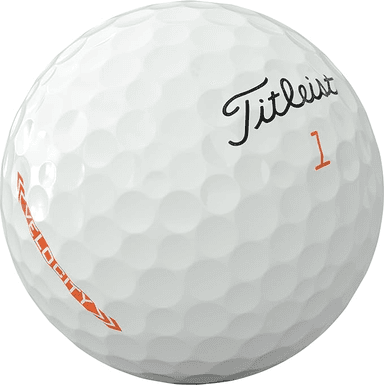
Titleist Velocity
Built to maximise carry and long-game distance.
For distance-focused players, this is a strong general-fit starting pick aimed at carry and long-game output.
#2 · Best value alternative
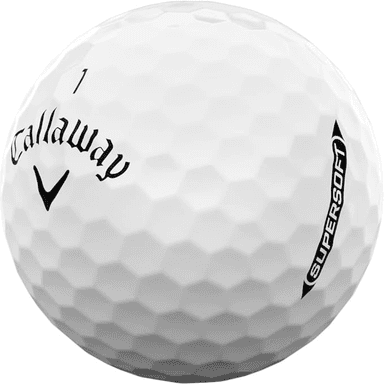
Callaway Supersoft
Built for forgiveness, easy launch and strong value.
For new golfers, this is a strong general-fit starter choice focused on forgiveness, value and confidence.
Distance Golf Ball Comparison Table
| Product | Best For | Why Included | Availability |
|---|---|---|---|
| Titleist Velocity | Built to maximise carry and long-game distance. | For distance-focused players, this is a strong general-fit starting pick aimed at carry and long-game output. | |
| Callaway Supersoft | Built for forgiveness, easy launch and strong value. | For new golfers, this is a strong general-fit starter choice focused on forgiveness, value and confidence. |
How we ranked these options
Recommendations compare maintained product information and manufacturer-stated characteristics with golfer needs captured by our quiz, alongside editorial assessment of fit for distance. Retailer links support purchases where available, but commercial availability does not determine product fit. The information does not represent hands-on, robot, mechanical-swing, or laboratory testing.
- Compression matched to your swing speed
- Launch and spin profile suited to your existing ball flight
- Distance gains that still leave enough control to score
Quick Buy
Titleist Velocity
Built to maximise carry and long-game distance.
For distance-focused players, this is a strong general-fit starting pick aimed at carry and long-game output.
Read full guide for this topic →Check current price at AmazonSCOTTSDALE GOLFWant the full golf ball overview?
If you want to compare the whole landscape before diving into specific player profiles, start with our central guide.
Read: Best Golf Ball guide →Compare Bridgestone e6 and e12 Contact
If you are chasing straighter, longer long-game results, this comparison highlights which Bridgestone profile best fits your distance priorities.
Open comparison page →How the matching quiz works
- Answer a few quick questions about your game, speed and priorities
- We compare your profile against verified golf ball options for your market
- Get a shortlist with reasons, not just a single pushed product
Why there is no single best distance ball
Distance comes from an efficient combination of ball speed, launch angle and spin. Change one of those and the ideal ball changes too. A faster player may gain distance from a firmer, lower-spinning model that stays stable in the air. A slower player often gains more from a lower-compression ball that launches easier and carries better. That is why copying a longest-ball result from a magazine test can miss the mark if the test golfer swings nothing like you.
The three distance levers to understand
Once you know these, golf ball choice gets much simpler.
1. Compression and ball speed
The ball needs to compress appropriately for your swing. Too firm and you leave speed on the table. Too soft and high-speed players can lose stability and efficiency.
2. Launch profile
A ball that launches too low for your speed may look strong but lose carry. One that launches too high can cost total distance. The best fit depends on the flight you already produce.
3. Long-game spin
Too much spin creates drag and increases curvature. Too little spin can flatten the flight. Distance gains come from getting spin into the right window for your swing, not simply minimising it.
Distance versus scoring trade-offs
A pure distance ball can be the right answer, but not if it makes the short game feel unpredictable or robs you of enough control on approach shots. Golf is scored from green to tee, not on launch monitor headlines alone. The strongest fit is often the ball that gives you a useful gain from the tee while still feeling trustworthy on partial wedges and putts. That balance point is different for a beginner than for a single-figure handicapper, which is why the quiz asks about priorities rather than assuming distance solves everything.
How to tell whether you need a distance-focused ball
If you already strike the ball well but feel you are leaving yards behind your playing partners with similar speed, the issue may be launch and spin mismatch rather than clubhead speed alone. If you are still very inconsistent, a forgiving ball often delivers more effective distance by keeping more shots playable. In other words, the right distance fit is not always the longest ball in perfect conditions. It is the one that helps your average round most.
Distance quick decision
If your speed is moderate or lower, test lower compression first. If your flight balloons, move to a lower-spin profile. If your short game becomes harder to control, move one step toward a balanced all-round model. The goal is not maximum launch monitor distance, but stronger scoring distance over a full round.
What is the best golf ball for distance?
The best golf ball for distance is the one that matches your swing speed, launch and spin needs rather than the one with the boldest distance claim. Slower swing speeds often benefit from easier compression and more carry, while faster players may prefer a firmer, lower-spin flight. Start with the option that improves your normal shot, not just a perfect strike.
Which golf ball goes the furthest?
There is no single ball that goes furthest for every golfer. A low-spin distance ball can be a strong choice when excess spin is costing carry or total distance, but it must still launch high enough for your speed. The furthest useful ball is the one that produces repeatable carry and keeps enough control for the rest of your round.
Do low-spin golf balls travel further?
They can when your current flight has too much long-game spin, because reducing drag can improve distance and limit curvature. Lower spin is not automatically better: if it makes your flight too flat or reduces carry, a more balanced profile may travel further for your game. Use your typical flight and swing speed as the deciding factors.
Which distance ball suits slower swing speeds?
Golfers with slower swing speeds should usually start with a lower-compression distance ball that helps create launch and carry without needing maximum clubhead speed. The aim is efficient compression and a playable flight, not simply the lowest-spin ball available. Our slow swing speed guide and fitting quiz can help narrow that choice further.
Ready to stop guessing?
Answer a few quick questions and we'll match you to golf balls that fit your swing speed, handicap and scoring priorities.
Start the 2-minute quizWhat our quiz looks at
- Compression matched to your swing speed
- Launch and spin profile suited to your existing ball flight
- Distance gains that still leave enough control to score
- Forgiveness on imperfect strikes, not just perfect hits
- Whether you need carry distance, total distance or both
Frequently asked questions
What is the best golf ball for distance?
The best distance ball matches your swing speed, launch and spin profile. Lower-compression options can help slower swings create more carry, while faster players may benefit from a firmer, lower-spin flight. The right option should improve repeatable distance without making short shots harder to control.
Which golf ball goes the furthest?
The furthest ball depends on the golfer. A low-spin distance model may be longest when your normal flight has too much spin, but it still needs enough launch and carry for your speed. Compare options using your typical on-course flight rather than a single perfect drive.
Do low-spin golf balls travel further?
They can, particularly when excess long-game spin is adding drag or curvature. They are not always longer: a ball that launches too low for your swing can lose carry. The best fit balances launch and spin for your usual strike.
Which distance ball suits slower swing speeds?
A lower-compression ball that supports launch and carry is usually the best starting point. Slower swingers should prioritise efficient compression and a playable flight over the absolute lowest-spin model.
Is a harder ball always longer?
No. Firmer balls often suit faster swings, but for slower swings they can cost distance because they do not compress efficiently enough. Longer depends on matching the ball to your speed and launch needs.
Do tour balls go further than distance balls?
Sometimes for faster, skilled players. For average golfers, a dedicated distance model often goes just as far or further because it is built to reduce spin and launch efficiently without requiring tour-level speed.
Should I choose a ball for carry or total distance?
That depends on your course conditions and normal flight. On softer ground, carry can matter more; on firmer ground, total distance can become more relevant. Use the priority that affects your scoring most often.
Last reviewed: 5 September 2026. We update this guide when our verified golf ball catalogue changes.