
Is this guide for you?
- You want more carry distance without swinging harder
- Your current ball feels too firm, especially in colder weather
- You play with a moderate or slower swing speed
- You want a balance between comfort, launch and sensible pricing
Jump to a section
Quick verdict
If you want the shortest route to the right choice, start here.
- Prioritise compression suited to moderate or slower swing speeds.
- Prioritise launch support for longer carry without extra effort.
- Prioritise comfort and feel, especially in cooler weather.
Best options at a glance
These options cover the most common buying paths for seniors: strongest baseline fit, value route, and a balanced upgrade path.
#1 · Best overall fit for this profile
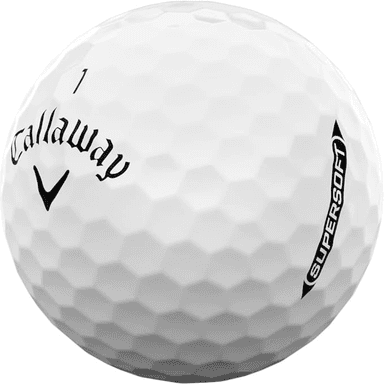
Callaway Supersoft
Built for easier compression and carry at moderate speeds.
For senior golfers, this is a strong general-fit starting option when easier compression and carry are the priority.
#2 · Best upgrade alternative
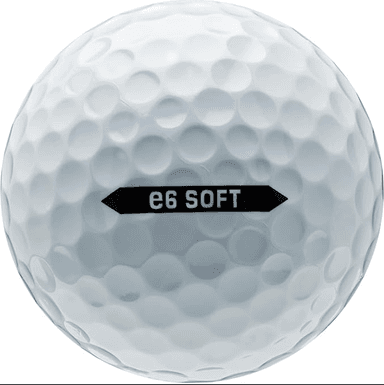
Bridgestone e6
Built for forgiveness-first performance and keeping misses in play.
For high-handicap players, this is a strong general-fit baseline focused on straighter flight and fewer costly misses.
#3 · Best upgrade alternative
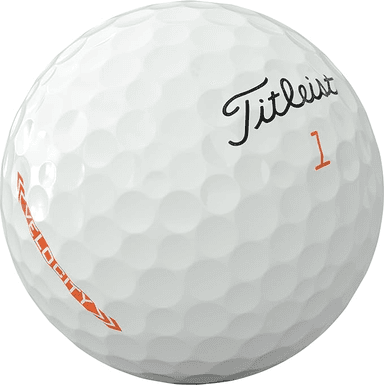
Titleist Velocity
Built to maximise carry and long-game distance.
For distance-focused players, this is a strong general-fit starting pick aimed at carry and long-game output.
Senior Fit Comparison Table
| Product | Best For | Why Included | Availability |
|---|---|---|---|
| Callaway Supersoft | Built for easier compression and carry at moderate speeds. | For senior golfers, this is a strong general-fit starting option when easier compression and carry are the priority. | |
| Bridgestone e6 | Built for forgiveness-first performance and keeping misses in play. | For high-handicap players, this is a strong general-fit baseline focused on straighter flight and fewer costly misses. | |
| Titleist Velocity | Built to maximise carry and long-game distance. | For distance-focused players, this is a strong general-fit starting pick aimed at carry and long-game output. |
How we ranked these options
Recommendations compare maintained product information and manufacturer-stated characteristics with golfer needs captured by our quiz, alongside editorial assessment of fit for seniors. Retailer links support purchases where available, but commercial availability does not determine product fit. The information does not represent hands-on, robot, mechanical-swing, or laboratory testing.
- Compression suited to moderate or slower swing speeds
- Launch support for longer carry without extra effort
- Comfort and feel, especially in cooler weather
Quick Buy
Callaway Supersoft
Built for easier compression and carry at moderate speeds.
For senior golfers, this is a strong general-fit starting option when easier compression and carry are the priority.
Read full guide for this topic →Check current price at AmazonSCOTTSDALE GOLFWant the full golf ball overview?
If you want to compare the whole landscape before diving into specific player profiles, start with our central guide.
Read: Best Golf Ball guide →How the matching quiz works
- Answer a few quick questions about your game, speed and priorities
- We compare your profile against verified golf ball options for your market
- Get a shortlist with reasons, not just a single pushed product
Why compression matters for senior golfers
Compression describes how much the ball deforms at impact. If the ball is too firm for your swing speed, you do not get efficient energy transfer and the shot can launch lower with a harder feel. That is why many senior players gain distance from lower-compression models. The goal is not simply softness for its own sake. It is matching the core to the speed you actually create so the ball launches and carries properly.
The senior-player traits worth prioritising
A good senior golf ball usually balances three areas rather than maxing out one headline feature.
1. Lower compression
This helps moderate-speed swings access more ball speed and a softer feel, especially with the driver and longer irons.
2. Easy launch
A ball that gets airborne without needing aggressive speed can add useful carry and make longer approach shots less demanding.
3. Enough short-game confidence
You do not need a tour ball, but you still want a predictable feel on pitches, chips and putts. The best senior fits do not sacrifice that completely.
Cold weather makes the choice even more important
Golf balls can feel firmer in colder conditions, which matters if you play year-round or during early-morning rounds. A ball that already feels too hard in summer may feel less comfortable in winter. If you regularly play in cooler conditions, it is worth weighting feel and launch slightly more heavily in your choice.
When a senior golfer might not want the very softest ball
Very soft balls are not automatically best for every senior player. If your swing speed is still healthy or you prefer a firmer response on irons, an ultra-soft model may launch too high or feel vague. That is why a one-size-fits-all senior label can miss the mark. The better fit depends on your speed, your priorities and whether you care more about distance, feel or control.
Ready to stop guessing?
Answer a few quick questions and we'll match you to golf balls that fit your swing speed, handicap and scoring priorities.
Start the 2-minute quizWhat our quiz looks at
- Compression suited to moderate or slower swing speeds
- Launch support for longer carry without extra effort
- Comfort and feel, especially in cooler weather
- Enough short-game predictability for chips and putts
- Price that makes regular play and practice realistic
Frequently asked questions
Do senior golfers always need low-compression balls?
Not always, but many do benefit from them. If swing speed has dropped below the level needed to compress firmer balls efficiently, a lower-compression model usually improves distance and feel.
Can a softer ball really add distance for seniors?
Yes, when it matches the player's speed better than their current ball. The gain comes from improved energy transfer and launch, not from marketing claims.
Should seniors use the same ball all year?
Often yes, but some golfers prefer a slightly softer-feeling option in colder months. If your current ball feels harsh or short in winter, that is a useful sign it may be too firm overall.
Last reviewed: 5 September 2026. We update this guide when our verified golf ball catalogue changes.