
Is this guide for you?
- Your handicap is roughly in the 10 to 20 range
- You want more short-game control but still need forgiveness
- You are comparing mid-range and premium options
- You want a ball that fits your current game rather than your aspirational one
Jump to a section
Quick verdict
If you want the shortest route to the right choice, start here.
- Prioritise balanced performance across tee shots, approaches and short game.
- Prioritise enough forgiveness to protect the occasional poor swing.
- Prioritise noticeably better feel without overspending on unused performance.
Best options at a glance
These options cover the most common buying paths for mid handicappers: strongest baseline fit, value route, and a balanced upgrade path.
#1 · Best balanced all-rounder
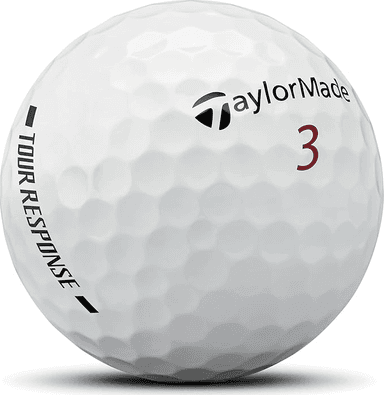
TaylorMade Tour Response
Mid handicappers who want more control while retaining useful forgiveness.
Its mid-compression, mid-price profile balances distance, spin and feel without moving to an extreme tour-ball fit.
#2 · Best value soft-feel upgrade
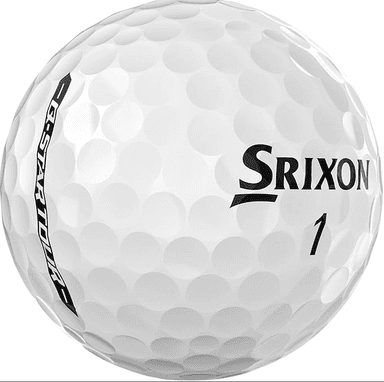
Srixon Q-Star Tour
Improving players ready for more spin and feedback at a mid-range price.
Soft feel, balanced spin and solid forgiveness make it a practical step beyond basic distance balls.
#3 · Best premium moderate-speed fit
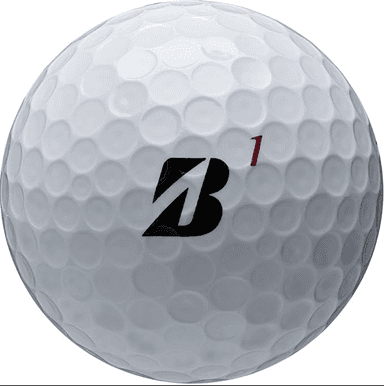
Bridgestone Tour B RX
Golfers who want premium feel and control without giving up stability on imperfect strikes.
Its mid-compression profile combines strong distance and spin with above-average forgiveness for a premium ball.
#4 · Best distance-first alternative
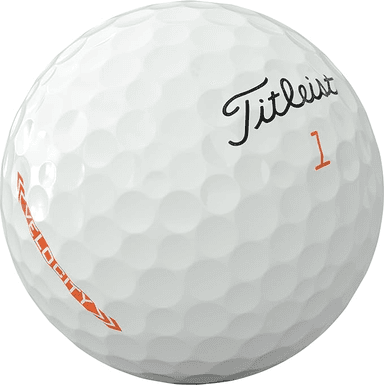
Titleist Velocity
Players whose main scoring need remains carry, straight flight and tee-shot forgiveness.
Low spin, firm feel and high forgiveness suit golfers who should still prioritise long-game consistency.
#5 · Best premium control upgrade
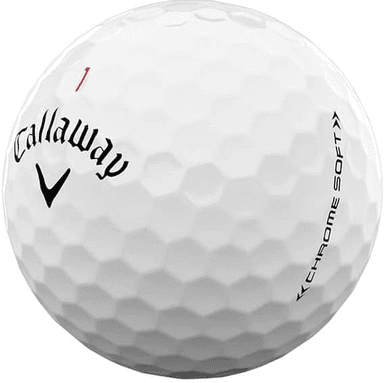
Callaway Chrome Soft
Consistent mid handicappers whose next gains depend on approach spin and short-game feedback.
Its soft feel and high-spin premium profile becomes valuable once tee-shot misses are under control.
Mid Handicapper Golf Ball Comparison
| Product | Best For | Why Included | Availability |
|---|---|---|---|
| TaylorMade Tour Response | Mid handicappers who want more control while retaining useful forgiveness. | Its mid-compression, mid-price profile balances distance, spin and feel without moving to an extreme tour-ball fit. | |
| Srixon Q-Star Tour | Improving players ready for more spin and feedback at a mid-range price. | Soft feel, balanced spin and solid forgiveness make it a practical step beyond basic distance balls. | |
| Bridgestone Tour B RX | Golfers who want premium feel and control without giving up stability on imperfect strikes. | Its mid-compression profile combines strong distance and spin with above-average forgiveness for a premium ball. | |
| Titleist Velocity | Players whose main scoring need remains carry, straight flight and tee-shot forgiveness. | Low spin, firm feel and high forgiveness suit golfers who should still prioritise long-game consistency. | |
| Callaway Chrome Soft | Consistent mid handicappers whose next gains depend on approach spin and short-game feedback. | Its soft feel and high-spin premium profile becomes valuable once tee-shot misses are under control. |
How we ranked these options
Recommendations compare maintained product information and manufacturer-stated characteristics with golfer needs captured by our quiz, alongside editorial assessment of fit for mid handicappers. Retailer links support purchases where available, but commercial availability does not determine product fit. The information does not represent hands-on, robot, mechanical-swing, or laboratory testing.
- Balanced performance across tee shots, approaches and short game
- Enough forgiveness to protect the occasional poor swing
- Noticeably better feel without overspending on unused performance
Quick Buy
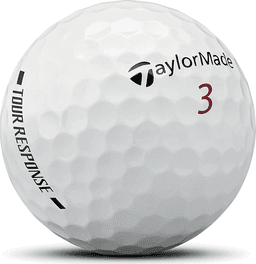
TaylorMade Tour Response
Built as a balanced all-rounder for control and forgiveness.
For mid-handicap golfers, this is a strong general-fit all-round starting pick balancing forgiveness and control.
Read full guide for this topic →Check current price at AmazonSCOTTSDALE GOLFWant the full golf ball overview?
If you want to compare the whole landscape before diving into specific player profiles, start with our central guide.
Read: Best Golf Ball guide →Compare Tour Response and TP5
This comparison helps you choose between balanced mid-price performance and full premium TaylorMade tour-level control.
Open comparison page →How the matching quiz works
- Answer a few quick questions about your game, speed and priorities
- We compare your profile against verified golf ball options for your market
- Get a shortlist with reasons, not just a single pushed product
Why mid handicappers need balance rather than extremes
This is the stage where golf ball choice starts to matter more, because your strike quality is consistent enough to notice differences. At the same time, many mid handicappers still lose strokes from tee-shot dispersion or inconsistent contact. That means a ball built only for maximum spin can be too specialised, while a pure distance ball may leave control on the table. A balanced mid-handicap fit usually lives in the middle ground: enough spin and feel to improve scoring shots, enough forgiveness to avoid making bad swings worse.
What tends to work best for this category
Most mid handicappers benefit from a balanced all-rounder rather than an extreme design.
1. A simple three-piece construction
This often gives a useful step up in feel and control over value two-piece balls without demanding tour-level strike quality.
2. Moderate driver spin
You still want enough forgiveness from the tee, especially if one bad drive can derail a scorecard.
3. Better wedge and iron feedback
Once you start hitting more greens or missing them by smaller margins, improved short-game response becomes easier to convert into lower scores.
When to move from mid-range to tour-level balls
The clearest signal is when your driving is stable enough that your next scoring gain comes from holding greens and managing spin around the pin. If you are still losing shots primarily from penalty balls or wild tee misses, keep more forgiveness in the setup. If your misses are narrowing and you can already tell when a chip checks or releases more than expected, you are moving into tour-ball territory.
The most common mistake mid handicappers make
Many players in this band buy on identity instead of evidence. They choose a tour ball because they feel ready for it, or stay with a beginner ball because it is familiar. The better approach is to ask which part of the game currently costs you the most shots. Ball choice should support that answer. The golf ball that best reflects your current weaknesses is often more useful than the one that flatters your best shots.
Ready to stop guessing?
Answer a few quick questions and we'll match you to golf balls that fit your swing speed, handicap and scoring priorities.
Start the 2-minute quizWhat our quiz looks at
- Balanced performance across tee shots, approaches and short game
- Enough forgiveness to protect the occasional poor swing
- Noticeably better feel without overspending on unused performance
- Spin that helps scoring shots without exaggerating big misses
- A fit based on what currently costs you strokes
Frequently asked questions
Should a mid handicapper use a tour ball?
Sometimes, but not automatically. If you already keep the ball in play and want more approach and wedge control, a tour ball can help. If your main problem is still tee-shot dispersion, a more forgiving model is often better.
What is the main difference between a value ball and a mid-handicap all-rounder?
Usually feel, iron response and short-game control. A good all-rounder gives you more nuance around the greens without going fully into high-spin, high-cost territory.
How do I know if I am ready to upgrade?
If you are hitting more greens, missing them by smaller amounts and wanting the ball to stop more predictably, that is a strong sign. If you still lose strokes mainly from wild drives, keep prioritising forgiveness.
Last reviewed: 5 September 2026. We update this guide when our verified golf ball catalogue changes.