
Is this guide for you?
- You notice big differences in sound and feedback on putts and chips
- You want a softer sensation without giving away too much distance
- You are comparing soft budget balls to premium feel-oriented models
- You want help deciding whether feel is worth prioritising for your game
Jump to a section
Quick verdict
If you want the shortest route to the right choice, start here.
- Prioritise compression and cover material, which shape impact sensation.
- Prioritise whether short-game feel or driver performance matters more to you.
- Prioritise your swing speed, so softness does not come at the wrong cost.
Best options at a glance
These options cover the most common buying paths for feel: strongest baseline fit, value route, and a balanced upgrade path.
#1 · Best overall premium feel
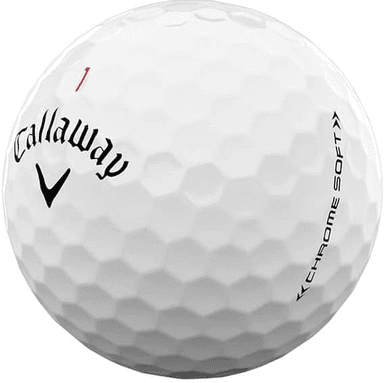
Callaway Chrome Soft
Golfers who want soft response with strong short-game spin and all-round performance.
Its mid-compression construction balances premium feel and control without becoming a specialist-only option.
#2 · Best tour-level alternative
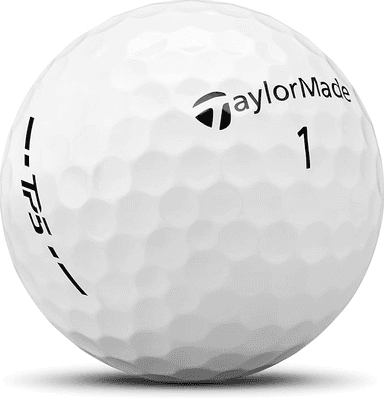
TaylorMade TP5
Players who want soft urethane feel with high spin and more full-swing speed.
The five-layer design makes it a strong fit when feel matters but tour-level distance and spin remain priorities.
#3 · Best mid-price urethane option
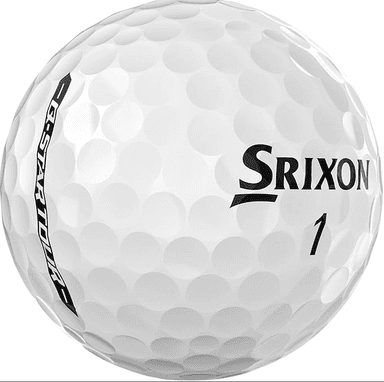
Srixon Q-Star Tour
Golfers seeking responsive feel and balanced spin below premium-ball pricing.
It provides a useful bridge between budget softness and premium urethane control.
#4 · Best low-compression value
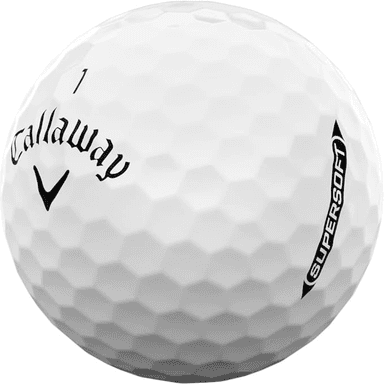
Callaway Supersoft
Moderate and slower swing speeds that benefit from easy compression and very soft feel.
Its low-compression, forgiveness-first profile delivers accessible softness at a budget price.
#5 · Best affordable alternative
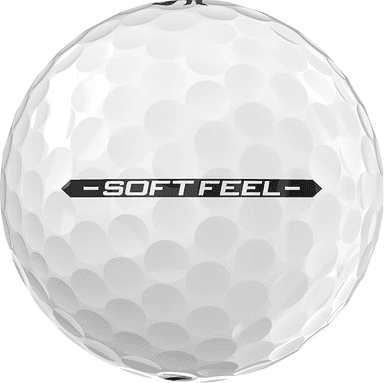
Srixon Soft Feel
Casual golfers who prioritise comfortable impact feel and sensible replacement cost.
It combines low compression, useful forgiveness and soft response without premium pricing.
Soft Feel Golf Ball Comparison Table
| Product | Best For | Why Included | Availability |
|---|---|---|---|
| Callaway Chrome Soft | Golfers who want soft response with strong short-game spin and all-round performance. | Its mid-compression construction balances premium feel and control without becoming a specialist-only option. | |
| TaylorMade TP5 | Players who want soft urethane feel with high spin and more full-swing speed. | The five-layer design makes it a strong fit when feel matters but tour-level distance and spin remain priorities. | |
| Srixon Q-Star Tour | Golfers seeking responsive feel and balanced spin below premium-ball pricing. | It provides a useful bridge between budget softness and premium urethane control. | |
| Callaway Supersoft | Moderate and slower swing speeds that benefit from easy compression and very soft feel. | Its low-compression, forgiveness-first profile delivers accessible softness at a budget price. | |
| Srixon Soft Feel | Casual golfers who prioritise comfortable impact feel and sensible replacement cost. | It combines low compression, useful forgiveness and soft response without premium pricing. |
How we ranked these options
Recommendations compare maintained product information and manufacturer-stated characteristics with golfer needs captured by our quiz, alongside editorial assessment of fit for feel. Retailer links support purchases where available, but commercial availability does not determine product fit. The information does not represent hands-on, robot, mechanical-swing, or laboratory testing.
- Compression and cover material, which shape impact sensation
- Whether short-game feel or driver performance matters more to you
- Your swing speed, so softness does not come at the wrong cost
Quick Buy
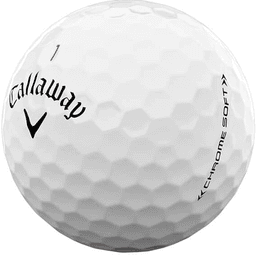
Callaway Chrome Soft
Built for softer feel and greenside feedback.
For golfers prioritising feel, this is a strong general-fit starting option for softer response and short-game touch.
Read full guide for this topic →Check current price at AmazonSCOTTSDALE GOLFWant the full golf ball overview?
If you want to compare the whole landscape before diving into specific player profiles, start with our central guide.
Read: Best Golf Ball guide →Compare Chrome Soft and Supersoft
Use this direct comparison to decide whether you should prioritize premium all-round feel or a simpler value-first soft option.
Open comparison page →How the matching quiz works
- Answer a few quick questions about your game, speed and priorities
- We compare your profile against verified golf ball options for your market
- Get a shortlist with reasons, not just a single pushed product
What creates feel in a golf ball
Golf ball feel comes mainly from compression, cover material and the type of strike you are hitting. Lower-compression balls generally feel softer across the bag. Urethane covers tend to feel more responsive and grippy on scoring shots than firmer ionomer covers. Sound matters too: a quieter, duller click is usually interpreted as soft. That means feel is real, but it is not one simple slider. A ball can feel soft off the putter yet still launch firm off the driver depending on how it is built.
When feel-focused golfers benefit from paying more
If your scoring strength comes from wedges, pitching and putting, feel can be more than preference. It can affect confidence and distance control.
Around the greens
Players who rely on touch often prefer balls that feel more connected on chips, pitches and bunker shots. That sensation usually comes from cover material and spin response.
On putts
A softer-feeling ball can make pace control more intuitive for some golfers, especially if they dislike a sharp click at impact.
Through the full bag
The trade-off is that very soft-feeling balls do not suit everyone. Some players prefer a firmer response because it feels faster or more stable on full shots.
Soft feel does not always mean the same thing as better fit
A ball can feel lovely on the practice green and still be the wrong long-game fit. That is why feel-focused players still need to think about speed, launch and forgiveness. If you have a slower swing speed, a soft ball may improve both feel and distance. If you swing faster or fight excessive spin, the softest-feeling option may not be the best performer. The right answer depends on whether feel is your top priority or simply one of several.
How to test feel without guessing
The best test is not one driver on the range. Use short irons, chips and putts where feel differences are easiest to notice. If two balls perform similarly on distance but one gives you better pace control and confidence around the greens, that matters. This is also why the quiz asks about scoring priorities. Feel only becomes the best choice when it supports the way you actually save shots.
Feel quick decision
If your scoring edge is short game and putting, prioritise touch and feedback first. If dispersion widens on full shots, move one notch firmer. If distance and feel are close between two options, keep the one that gives you better pace control under pressure.
Ready to stop guessing?
Answer a few quick questions and we'll match you to golf balls that fit your swing speed, handicap and scoring priorities.
Start the 2-minute quizWhat our quiz looks at
- Compression and cover material, which shape impact sensation
- Whether short-game feel or driver performance matters more to you
- Your swing speed, so softness does not come at the wrong cost
- Putter and wedge feedback, not just full-shot distance
- How much you are willing to pay for premium cover materials
Frequently asked questions
What makes a golf ball feel soft?
Mostly compression, cover material and sound at impact. Lower compression and responsive cover materials usually create a softer sensation, especially on shorter shots.
Do soft-feel balls still go far enough?
Often yes. For many golfers they go just as far or further because the compression suits their speed better. The right answer depends on your swing and launch needs.
Is feel only important for good players?
No. Any golfer can care about feel. The difference is whether it should outrank forgiveness or distance in the buying decision. For some players it should. For others it should not.
Last reviewed: 5 September 2026. We update this guide when our verified golf ball catalogue changes.