
Is this guide for you?
- You already strike the ball consistently and care about flight control
- You want more precision from wedges and approach shots
- You are choosing between different premium or tour-level balls
- You want a ball matched to your speed and preferred trajectory
Jump to a section
Quick verdict
If you want the shortest route to the right choice, start here.
- Prioritise tour-level cover performance and consistency.
- Prioritise flight bias that matches your preferred trajectory.
- Prioritise driver spin versus wedge spin trade-off.
Best options at a glance
These options cover the most common buying paths for low handicappers: strongest baseline fit, value route, and a balanced upgrade path.
#1 · Best all-round control
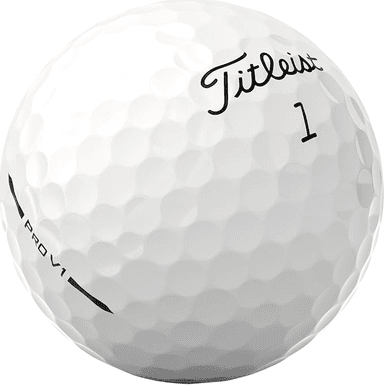
Titleist Pro V1
Low handicappers seeking a balanced tour ball with soft feel and dependable scoring control.
Its high-compression, premium urethane profile combines strong distance with controlled spin across the bag.
#2 · Best mid-compression tour option
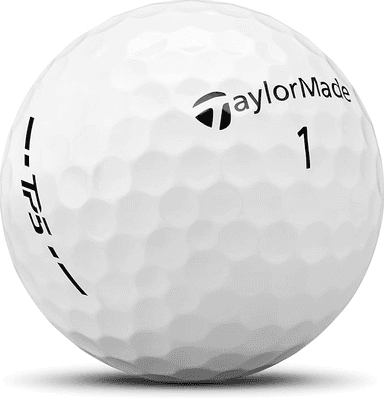
TaylorMade TP5
Players who want high spin and soft feel without moving to a high-compression profile.
Its five-layer construction balances full-swing speed with responsive short-game performance.
#3 · Best for higher flight and speed
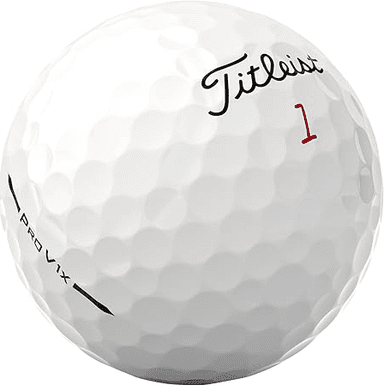
Titleist Pro V1x
Stronger players who prefer firmer feel, higher launch and added long-game distance.
High compression, firm response and a higher-flight design suit golfers who want speed without sacrificing spin.
#4 · Best for maximum greenside spin
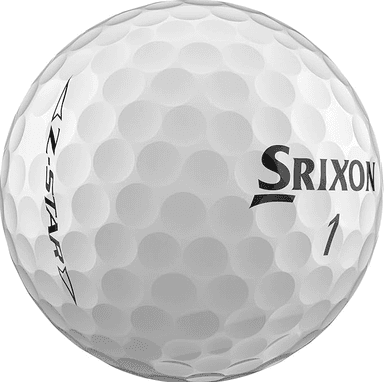
Srixon Z-Star
Confident ball-strikers whose scoring relies on aggressive wedge and short-game control.
Its premium four-piece construction has the highest spin rating in this comparison while retaining soft feel.
#5 · Best accessible premium feel
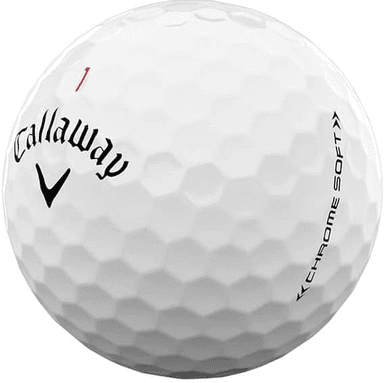
Callaway Chrome Soft
Skilled players with moderate speed who want premium control from a mid-compression ball.
It combines soft feel and high spin with a less demanding compression profile than firmer tour options.
Tour Ball Comparison for Low Handicappers
| Product | Best For | Why Included | Availability |
|---|---|---|---|
| Titleist Pro V1 | Low handicappers seeking a balanced tour ball with soft feel and dependable scoring control. | Its high-compression, premium urethane profile combines strong distance with controlled spin across the bag. | |
| TaylorMade TP5 | Players who want high spin and soft feel without moving to a high-compression profile. | Its five-layer construction balances full-swing speed with responsive short-game performance. | |
| Titleist Pro V1x | Stronger players who prefer firmer feel, higher launch and added long-game distance. | High compression, firm response and a higher-flight design suit golfers who want speed without sacrificing spin. | |
| Srixon Z-Star | Confident ball-strikers whose scoring relies on aggressive wedge and short-game control. | Its premium four-piece construction has the highest spin rating in this comparison while retaining soft feel. | |
| Callaway Chrome Soft | Skilled players with moderate speed who want premium control from a mid-compression ball. | It combines soft feel and high spin with a less demanding compression profile than firmer tour options. |
How we ranked these options
Recommendations compare maintained product information and manufacturer-stated characteristics with golfer needs captured by our quiz, alongside editorial assessment of fit for low handicappers. Retailer links support purchases where available, but commercial availability does not determine product fit. The information does not represent hands-on, robot, mechanical-swing, or laboratory testing.
- Tour-level cover performance and consistency
- Flight bias that matches your preferred trajectory
- Driver spin versus wedge spin trade-off
Quick Buy
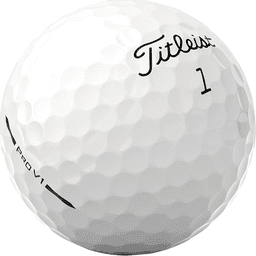
Titleist Pro V1
Built for precision scoring, spin control and shot shaping.
For low-handicap golfers, this is a strong general-fit starting pick for precision, spin control and scoring consistency.
Read full guide for this topic →Check current price at AmazonSCOTTSDALE GOLFWant the full golf ball overview?
If you want to compare the whole landscape before diving into specific player profiles, start with our central guide.
Read: Best Golf Ball guide →Compare Pro V1 and Pro V1x
If you are deciding between two premium Titleist options, this side-by-side comparison breaks down flight, feel and control differences clearly.
Open comparison page →How the matching quiz works
- Answer a few quick questions about your game, speed and priorities
- We compare your profile against verified golf ball options for your market
- Get a shortlist with reasons, not just a single pushed product
Why low handicappers can justify tour-level balls
At low handicap level, the ball becomes a genuine performance tool rather than just a general fit item. Better players create the kind of speed, strike quality and spin control that allow premium covers and multi-layer constructions to show up on the course. That can mean more predictable wedge spin, tighter approach control and a ball flight that matches the shot windows you prefer. The key is choosing the right premium profile, not simply any expensive model.
What low handicappers should not compromise on
If you rely on controlling spin into greens and choosing trajectories deliberately, cover quality and consistency matter. This is the area where lower-tier balls are most likely to feel limiting. That does not mean every low handicapper needs the highest-spin model available. It means the ball should support your shot patterns instead of forcing you to work around them.
Choosing between control and speed
The real question for many low handicappers is not whether to use a premium ball, but which type of premium ball. If you want maximum short-game aggression and like seeing the ball check quickly, lean toward the more spin-focused side. If you already create plenty of spin and want a more efficient flight from the tee, a lower-spin tour option may fit better. The quiz helps split that decision using your playing priorities rather than generic single-figure assumptions.
Ready to stop guessing?
Answer a few quick questions and we'll match you to golf balls that fit your swing speed, handicap and scoring priorities.
Start the 2-minute quizWhat our quiz looks at
- Tour-level cover performance and consistency
- Flight bias that matches your preferred trajectory
- Driver spin versus wedge spin trade-off
- Feel and compression preference across the bag
- Whether control or distance is the bigger scoring lever for you
Frequently asked questions
Do low handicappers always need tour balls?
Not always, but many benefit from them because they can actually use the extra spin, feel and consistency. The more your scoring depends on approach control and short-game precision, the stronger the case becomes.
How should a low handicapper choose between premium models?
By flight, spin and feel preferences rather than marketing rank. Two top-tier balls can both be excellent while still fitting different shot patterns.
Is there a downside to using a high-spin tour ball?
Potentially. If you already create plenty of spin or want to reduce driver curvature, the highest-spin option may not be the best fit. More spin is only useful when it solves the right problem.
Last reviewed: 5 September 2026. We update this guide when our verified golf ball catalogue changes.